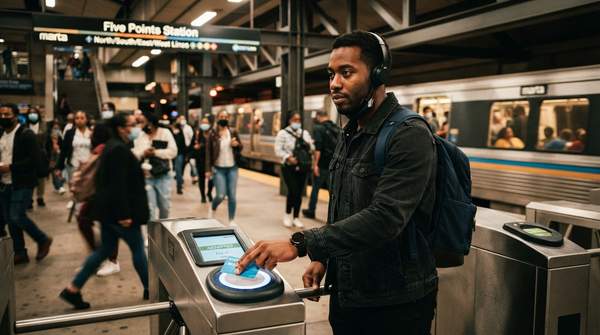
During its pilot phase, San Jose State University students made 163% more inter-transit-agency transfers, revealing a massive untapped demand for public transit. A 163% surge in cross-agency travel suggests simplifying regional transit use can significantly alter student commuting patterns. The BayPass program, designed to make transit accessible and 'free' for students, has seen overwhelming success in increasing ridership. Yet, this success is tied to a student-funded fee, raising questions about long-term financial sustainability for transit agencies. Starting Saturday, San Jose State University students will receive unlimited transit rides across the Bay Area, according to NBC Bay Area.
What Does the Clipper BayPass Offer?
The Clipper BayPass offers full- and part-time students unlimited transit access across the entire nine-county Bay Area, according to NBC Bay Area. Unlimited transit access across the entire nine-county Bay Area makes regional travel significantly more feasible for students, potentially shifting reliance from personal vehicles.
How Did the Pilot Program Impact Ridership?
During the Phase 1 pilot, San Jose State University students increased overall transit trips by 30%. More strikingly, they made 163% more inter-transit-agency transfers, according to the Metropolitan Transportation Commission. A 163% dramatic surge in cross-agency transfers, far exceeding the general trip increase, suggests that the complexity and cost of navigating multiple transit systems were a significant barrier. It implies that simplifying regional transit could unlock substantial ridership growth for agencies currently focused on single-route efficiency.
Origins of the BayPass Initiative
The BayPass pilot program launched on August 10, coinciding with the start of the academic year, according to San Jose Inside. Launching on August 10, coinciding with the start of the academic year, allowed for immediate student engagement and data collection, proving crucial for its eventual expansion.