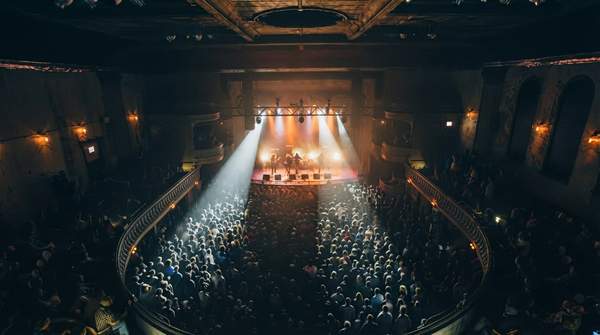
In Chicago's Union Park, the inaugural Forever Mine Music Festival debuted, not just with headliners like Kaytranada and Monica, but with a deliberate mission to center local Black and brown DJs, vendors, artists, and restaurants. This significant new event, produced by Windy City Events Management, marked a fresh approach to large-scale cultural programming within the city.
While many new festivals chase broad appeal with generic lineups, the Forever Mine Festival intentionally focused on Y2K nostalgia and a specific mission to uplift Chicago's local Black and brown cultural communities. This debut event was a significant new approach to large-scale cultural programming within the city. This strategy countered common festival development trends, prioritizing deep community ties over wide market reach.
The Forever Mine Festival is poised to become a vital annual fixture, demonstrating that cultural authenticity and community empowerment can drive significant commercial and social success in the festival landscape. This debut suggests a powerful model for future events.
Forever Mine Festival: A New Blueprint for Cultural Events
The festival immersed attendees in Y2K nostalgia, celebrating 2000s R&B and Chicago house music, according to wbez. Headliners like Keyshia Cole, Kaytranada, Monica, Kelly Rowland, Shaggy, and Mario shared the stage with Chicago’s own DJ Ca$h Era. Crucially, organizers committed to centering local Black and brown DJs, vendors, artists, and restaurants throughout the event, a deliberate choice noted by wbez.
This wasn't just a party; it was a cultural statement. The festival’s deliberate focus on Y2K nostalgia and local Black and brown talent elevates it beyond mere entertainment, forging a new standard for inclusive programming within Chicago’s vibrant music scene.
Forever Mine Festival's Niche Strategy Paid Off
This strategic bet on deep engagement, rather than broad appeal, proved a counter-intuitive yet successful approach for the debut event. Forever Mine’s deliberate focus on Y2K nostalgia and local Black and brown communities, as reported by wbez, upended the conventional wisdom that new festivals must chase wide demographics. Instead, it proves that deep cultural specificity can be a powerful differentiator in a crowded market, fostering loyalty and genuine enthusiasm.