A Chicago City Council Committee approved a $55 million tax break last month for the $7 billion 1901 Project, a development repeatedly described as 'privately funded' that just broke ground on Chicago's Near West Side. This project, focusing on a new music hall, hotel, and retail, aims for initial completion by 2026, yet its "privately funded" label, touted by outlets like CBS News and Chicago Suntimes, now rings hollow given the city's significant public contribution, reported by ABC7 Chicago.
Chicago actively pursues large-scale development through public-private partnerships, trading immediate economic stimulus for potential long-term taxpayer obligations and complex equity challenges. The 1901 Project perfectly encapsulates this tension, blurring the lines between private ambition and public burden.
A New Urban Hub Takes Shape
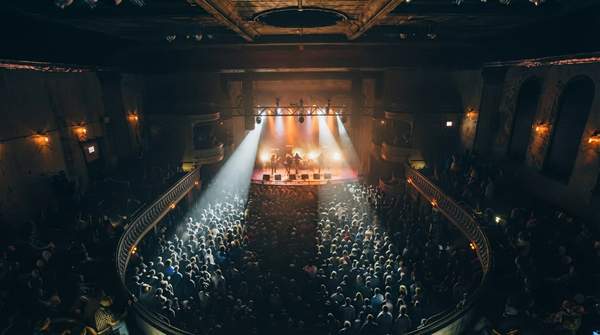
Phase One of the 1901 Project will deliver a new music venue, hotel, and parking garage, according to ABC7 Chicago. The full vision is grand: transforming over 55 acres of United Center parking lots into a vibrant district with a 6,000-seat music hall, 1,309 hotel rooms, diverse dining and retail, and 10 acres of public recreational space (Chicago, CBS News). Crucially, it also promises approximately 5,000 mixed-income housing units (CBS News). This comprehensive plan aims to replace underutilized land with a self-sustaining urban ecosystem, a significant gamble on the Near West Side's future as a destination, not just a pass-through.
The 'Privately Funded' Paradox
The city's $55 million tax break for the 1901 Project, reported by ABC7 Chicago, directly challenges the narrative of a "privately funded" $7 billion development, a label consistently used by media like CBS News and chicago.suntimes.com. This isn't just a semantic quibble; it's a deliberate rhetorical strategy. Chicago appears willing to obscure significant public subsidies, trading long-term taxpayer revenue for the immediate political gains of large-scale development and job creation, all while sidestepping full transparency on the true public cost.