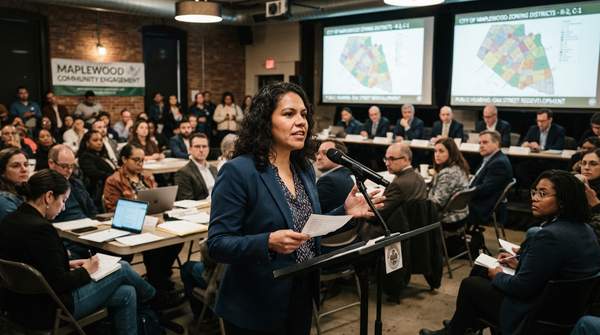
New York City Mayor Zohran Kwame Mamdani and Department of City Planning (DCP) Director Sideya Sherman announced on October 1, 2026, the 12 community districts designated for the voter-approved Affordable Housing Fast Track. This initiative, set to take effect in January 2027, aims to accelerate affordable housing development by significantly reducing the project approval timeline from approximately seven months to three months and bypassing City Council for final approval.
The Fast Track is a direct response to New York City's historically low 1.4% rental vacancy rate, as reported by the 2023 New York City Housing and Vacancy Survey. The administration seeks to create new housing opportunities to alleviate rising costs and offer more choices for residents. This measure is part of a broader strategy to ensure every neighborhood contributes to meeting the city's housing needs.
Designated Neighborhoods and Selection Rationale
The 12 community districts selected for the Affordable Housing Fast Track were identified based on their low affordable housing production relative to their existing housing stock over the past five years. According to city officials, these districts collectively produced only 1.1% of the city’s new affordable housing during this period, averaging just 12 affordable homes per district annually.
Among the neighborhoods named in reports are the Upper East Side, Maspeth, and areas in the middle of Staten Island. Other identified districts include the Upper West Side, Ridgewood, Middle Village, Douglaston in Queens, Borough Park, Dyker Heights in Brooklyn, Kensington, and the South Shore of Staten Island. While these specific areas have been highlighted, the full list of all 12 designated community districts is available from the Department of City Planning.
The methodology for selecting these districts was adopted in April 2026, specifically targeting areas experiencing "affordable housing droughts." This approach aims to address the uneven distribution of affordable housing across the city, a concern that led to voter-approved changes to the City Charter in November 2025.
Streamlined Approval: How the Fast Track Differs from Traditional ULURP
The Affordable Housing Fast Track introduces a significantly expedited process for eligible affordable housing projects that require a land-use change. This new administrative mechanism, known as the Expedited Land Use Review Procedure (ELURP), shortens the review period and alters the final approval authority compared to the traditional Uniform Land Use Review Procedure (ULURP).
Under the Fast Track, the review time for eligible projects is reduced to 90 days, or three months, cutting approximately four months from the standard ULURP timeline. A key difference is that the Fast Track bypasses the City Council for final approval, with the City Planning Commission making the ultimate decision. While the City Council has historically served as the final arbiter of land-use decisions, this new process centralizes that authority. The initiative does, however, preserve the review processes for Community Boards and Borough Presidents, as well as opportunities for public input, and does not alter environmental review requirements or landmark protections.
Comparing Affordable Housing Project Approval Processes
| Process Aspect | Traditional ULURP | Affordable Housing Fast Track | Impact |
|---|---|---|---|
| Approval Process | Involves multiple public review steps, including City Council input and final approval. | Streamlined process for eligible affordable housing projects; City Planning Commission makes final decision, bypassing City Council. | Accelerates approvals by removing a significant legislative review step. |
| Review Time | Typically takes approximately seven months for a full public review. | Reduces review time to 90 days (three months) for eligible projects. | Cuts roughly four months from the traditional approval timeline. |
| Selection Criteria | Not applicable; standard process for all land use decisions. | Applies to 12 community districts identified as having the lowest affordable housing production relative to existing stock over the past five years. | Targets specific areas for expedited development based on housing need. |
Timeline and Future Milestones for the Initiative
The Affordable Housing Fast Track is scheduled to become effective in January 2027. Ahead of its implementation, the Department of City Planning (DCP) will host a virtual public information session on December 3, 2026. This session will provide further details on how the new approval pathways will operate and offer an opportunity for the affordable housing community and the public to learn more.
Looking further ahead, the list of the 12 designated community districts will not be permanent. The city plans to recalculate this list every five years, with the next iteration of designated districts expected to be issued in October 2031. This periodic review aims to ensure the initiative continues to target areas most in need of affordable housing development.
Community Reactions and Broader Context
While proponents argue the Fast Track will help address New York City's severe housing crunch, the measure has already faced criticism from some local leaders and councilmembers. Council Member Phil Wong, representing districts including Ridgewood and Maspeth, expressed opposition to "top-down mandates that ignore the character of our neighborhoods and shut communities out of decisions that directly affect them." He voiced concerns that the fast-track process grants more power to developers while reducing input from residents, community boards, and local councilmembers.
Similarly, Councilmember Gale Brewer, whose district includes parts of the Upper West Side, stated she was "livid" and disagreed with the city's determination for her area, asserting that it already has substantial affordable housing. Despite this backlash, Department of City Planning Director Sideya Sherman noted that New Yorkers "overwhelmingly voted and certainly indicated that the status quo was not working," referring to the voter-approved city charter revisions that enabled this initiative.
What the Fast Track Means for NYC Residents and Development
The Mamdani Administration's Affordable Housing Fast Track, effective January 2027, will significantly alter the approval process for affordable housing projects in 12 designated community districts by reducing review times and bypassing City Council approval. Residents and community leaders should monitor the Department of City Planning's official announcements for the full list of 12 designated districts and details from the December 3 public information session.
Sources
- Mamdani Administration Puts 12 Neighborhoods on Fast Track for Affordable Housing — The official website of the City of New York
- These 12 NYC neighborhoods will see affordable housing projects fast-tracked — 6sqft | NYC Real Estate news and information
- Expediting New Affordable Housing - HPD — NYC
- Therealdeal
- The 12 Neighborhoods the Mamdani Administration Is Targeting for More Affordable Housing — The City Reporter
- New apartments are coming and there’s nothing these 12 neighborhoods can do to stop it — Gothamist