Undertaking a neighborhood beautification project can transform local spaces and foster community pride. A structured approach, encompassing careful planning, diverse funding, permit navigation, and effective volunteer coordination, is crucial for success. This guide outlines the key phases, from initial concept to long-term maintenance, drawing on examples from local government grant programs and community development best practices.
Successful beautification initiatives often begin with identifying community needs and engaging a wide range of residents, according to the Community Tool Box from the University of Kansas. These projects can involve various activities, such as cleaning up public spaces, establishing community gardens, installing art, or improving landscaping. Local government and community organizations frequently offer grants to support these efforts, though specific requirements and eligible projects can vary significantly by program.
Phase 1: Concept Development and Community Engagement
The foundation of any successful neighborhood beautification project lies in its initial concept and the breadth of community involvement. Begin by identifying specific areas within the neighborhood that could benefit from beautification, prioritizing those that will have the greatest impact or are feasible in the short term, as suggested by the St. Johnsbury Community Fund. This initial assessment should involve input from diverse community members to ensure the project addresses shared needs and desires.
The Community Tool Box emphasizes that people from all backgrounds within the neighborhood should be involved, including homeowners, renters, landlords, business owners, local officials, youth, and existing neighborhood organizations like associations or block groups. Engaging these diverse groups helps define clear project goals and fosters a sense of collective ownership. Forming a dedicated project committee with representatives from these various stakeholders can help organize the community and guide the initiative forward.
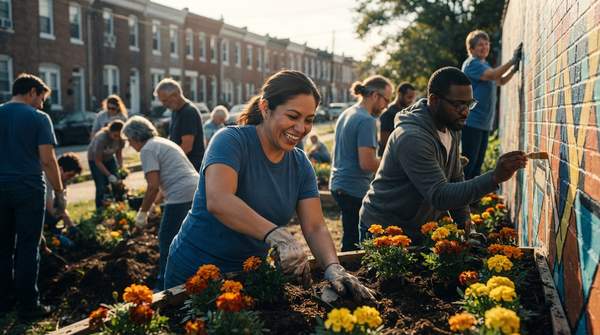
Volunteers, including youth who may earn community service credit, can contribute significantly to tasks such as painting, planting, mowing, removing unwanted objects, clearing trash, building trails, or creating murals. This early engagement not only gathers valuable input but also builds a volunteer base essential for later stages of the project.