Chicago's buses and trains run on three main streams of money: fares and other revenue the system earns itself, regional taxes levied in Cook County and the surrounding collar counties, and state contributions that match a share of those local taxes. That structure served the region for years, but it collided with a projected 2026 budget shortfall—driven by the exhaustion of federal pandemic relief and ridership that never fully returned—that threatened deep service cuts. In December 2025, Gov. JB Pritzker signed Senate Bill 2111, a $1.5 billion package that filled the gap and let the CTA and Pace adopt 2026 budgets with no fare increases and no service cuts.
Understanding Chicago's Public Transit Funding Pillars
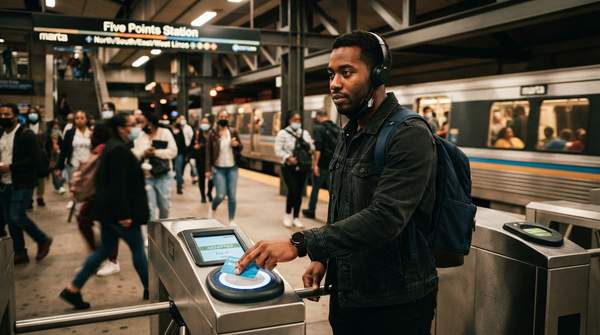
The first pillar is system-generated revenue: the money riders pay at the farebox, plus advertising and similar income. The second pillar is regional public funding, dominated by the RTA sales tax, which applies across the six-county region the Regional Transportation Authority oversees. Any change to that tax rate requires action by the Illinois General Assembly, which last raised it in 2008.
The same 2008 session granted the City of Chicago authority to impose an additional Real Estate Transfer Tax of $1.50 per $500 of the transfer price on property sales within the city, with the proceeds providing financial assistance to the CTA. The CTA's portion of that transfer tax is projected to account for 1.4% of its operating budget in 2025, according to the Northern Illinois Transit Authority.
The third pillar is state support. Much of Illinois' funding for transit operations comes from a required match of 30% of the revenue realized from the RTA sales tax and the CTA's portion of the real estate transfer tax. In other words, when regional taxpayers generate transit dollars, the state is obligated to add its own contribution on top.