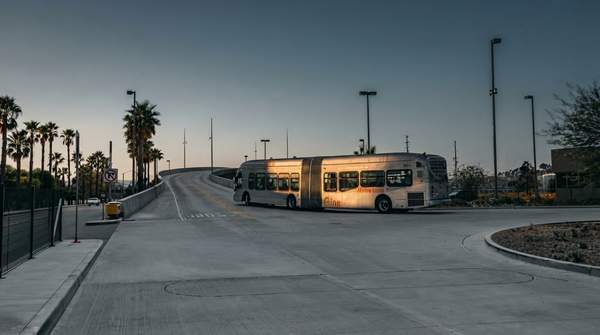
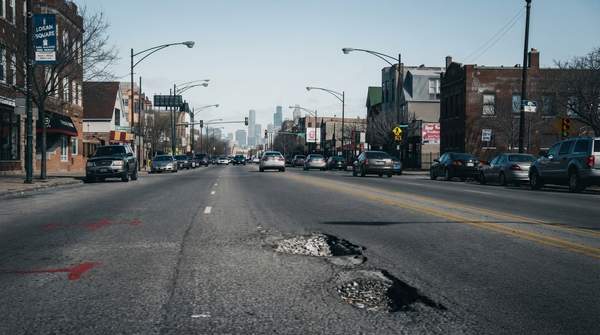
In Seminole County, Freebee's SCOUT operation has largely replaced traditional transit, covering 190 square miles and serving over 30,000 riders monthly, according to Florida Trend. The expansive shift in 2026 highlights a growing reliance on micro-transit for urban commutes, offering flexible, on-demand services that contrast sharply with fixed bus routes.
However, this convenience carries a hidden cost. Micro-transit provides free, flexible services that boost ridership and solve last-mile problems, but cities entirely subsidize this convenience. The subsidization of micro-transit by cities shifts the financial burden from individual users to taxpayers. While micro-transit addresses immediate urban mobility challenges, its widespread adoption could lead to new fiscal pressures on municipalities and fundamentally reshape public transportation funding, transferring the full cost of individual rides directly to the public purse.
Why Cities Embrace On-Demand Transit
Freebee's success in Key Biscayne led to its city contract model, as municipalities sought solutions for rising operating costs, declining bus ridership, and demand for flexible transportation, according to Florida Trend. The city contract model prioritizes flexibility and perceived cost-efficiency over traditional fixed-route systems. Such reliance on private micro-transit providers suggests a critical failure of public transit to adapt to modern urban needs. Cities are effectively outsourcing core public services, bearing the full financial risk and shifting the economic model from mixed funding to one entirely dependent on taxpayer subsidies.
The 'Free' Factor and Its Impact
- FREE — The Freebee On-Demand Transit (ODT) service is FREE to riders, according to Miamibeachfl.
Eliminating rider fares powerfully incentivizes adoption, yet places the entire financial responsibility on the contracting municipality. When service is 'FREE to riders' and replaces traditional transit, cities effectively nationalize the cost of individual mobility. The nationalization of individual mobility costs creates a potentially opaque and unsustainable long-term burden on taxpayers, as the cost shifts entirely from individual users to the collective.
Who Benefits and Who Gets Left Behind
Key Biscayne approached Freebee to address traffic congestion and parking shortages, securing a contract that provided financial stability for Freebee, according to Florida Trend. The contract between Key Biscayne and Freebee clearly benefits cities solving immediate problems and micro-transit companies gaining stable revenue. Residents enjoy convenient, free service, alleviating local transportation challenges like navigating crowded areas and finding parking.
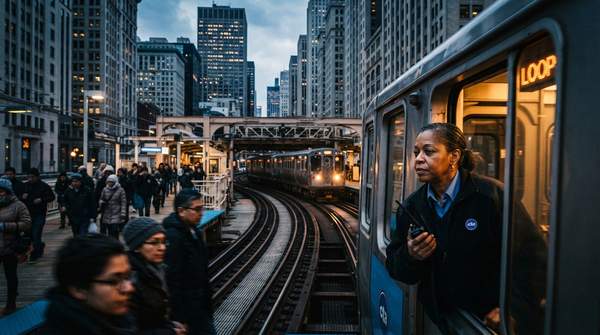
Conversely, traditional fixed-route public transit systems face declining ridership and potential obsolescence. The shift towards free, flexible micro-transit services undermines the farebox recovery model of conventional buses and trains. This creates a challenging environment for established public transport networks, potentially reducing their funding, service reach, and long-term viability as cities divert funds to subsidized alternatives.
The Future of Urban Mobility
Micro-transit models represent a critical evolution in urban planning, demanding strategic foresight. As McKinsey & Company notes, the mobility sector faces significant upcoming challenges and opportunities. The significant upcoming challenges and opportunities in the mobility sector signal that policymakers and industry leaders must consider the long-term implications of fully subsidized services. The trend toward on-demand solutions appears lasting, altering how cities plan and budget for transportation infrastructure. Careful consideration of funding models will be crucial for sustainability beyond immediate benefits, especially as these services expand.
Operational Advantages of the New Model
- Employing drivers directly allows micro-transit providers to maintain high service quality and safety procedures, differentiating them from gig-economy models and building trust with municipal partners, according to Florida Trend.
- The ability to adapt routes and schedules in real-time offers greater flexibility and responsiveness than fixed-route systems, catering to dynamic demand.
- Micro-transit services can effectively address last-mile connectivity issues, linking residents to major transit hubs, employment centers, or essential services in areas underserved by traditional routes.
- Reduced vehicle emissions from electric fleets used by some micro-transit providers contribute to urban environmental goals and improve air quality in city centers.
The operational benefits listed above highlight why cities are drawn to micro-transit, yet they also underscore the need for municipalities to critically evaluate if these advantages truly outweigh the long-term financial burden of fully subsidized services.
By Q3 2026, municipalities like Miami Beach will likely face growing pressure to justify the sustained financial burden of free micro-transit services, as the full cost of individual mobility continues to shift onto taxpayers, potentially impacting other public services.