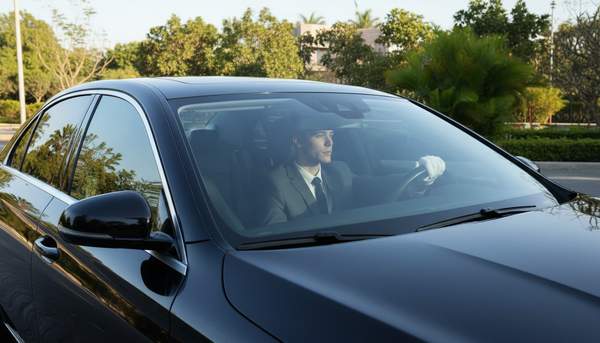
Waymo's fleet of over 2,500 robotaxis now provides approximately 450,000 paid rides weekly across 10 U.S. cities, signaling a new era of autonomous public transport, according to Mead & Hunt. These driverless vehicles offer a glimpse into how new transit technologies and fare systems are evolving, promising greater speed and connectivity for urban populations.
Public transit is rapidly deploying advanced technologies to enhance rider experience and efficiency, but the focus on convenience and data collection often overlooks critical concerns about privacy and equitable access for all passengers. This tension shapes the future of urban mobility.
While the future of transit promises greater speed and connectivity, agencies must proactively implement policies that safeguard rider data and ensure technological advancements do not create new barriers for vulnerable populations. Careful consideration of their societal impact is essential as advanced, data-intensive systems integrate into our daily lives.
How Smart Transit Systems are Evolving
The evolution of smart transit systems, now driven by real-time data and connected technologies, began decades ago with innovations like Hong Kong's Octopus card. In 1998, eight transit operators collaborated to launch this regional smart card, accepted across buses, rail, and ferries, establishing an early model for integrated fare systems. The pioneering effort demonstrated the power of unified payment systems to simplify travel. Today, leading agencies leverage real-time data to improve service and resilience, with technologies enhancing route planning, fare collection, and information distribution showing the greatest potential to decrease urban congestion, according to policy.tti.tamu.edu. The promise here is not just efficiency, but a more fluid, less stressful urban experience for millions of daily commuters.
However, modern public transit systems also reveal a nuanced prioritization that warrants scrutiny. While 83 percent of buses offer Wi-Fi connectivity and other passenger amenities for convenience, an even higher 87 percent feature security cameras, according to Busline Magazine. The stark contrast suggests that monitoring is a more pervasive aspect of 'advanced' public transit than purely user-centric amenities. It raises critical questions about whether the primary beneficiaries of these technological upgrades are the riders seeking convenience, or the agencies seeking control and data.
Balancing Efficiency with Rider Privacy
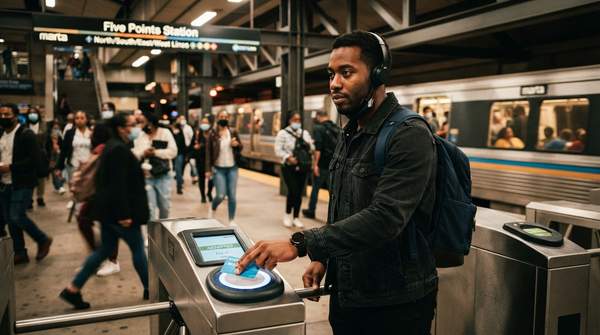
The relentless drive for operational improvements, fueled by real-time data and connected technologies, presents a direct clash with the ethical obligation to protect rider privacy. TransitCenter advocates that agencies must ensure riders can pay without being linked to personal identifiers, and that these anonymous options are priced identically to newer, data-collecting systems. Without such safeguards, public transit agencies risk a profound systemic oversight: trading rider privacy for perceived efficiency and safety. The approach not only undermines trust but also risks alienating a significant segment of privacy-conscious riders, who may then opt out of public transport entirely, defeating the purpose of enhanced connectivity.
Furthermore, the rapid deployment of cutting-edge solutions like Waymo's robotaxis, now over 2,500 vehicles providing 450,000 weekly rides, and advanced pedestrian detection systems on more than 3,000 buses, according to Busline Magazine, often overshadows a foundational reliance on surveillance. The near-ubiquitous 87 percent presence of security cameras on buses suggests that many 'smarter' transit initiatives frequently prioritize monitoring and data collection over true prevention or a holistic approach to safety. The situation raises uncomfortable questions about the balance between collective security and individual liberty, and whether the public is truly consenting to the extent of this digital oversight.
Ensuring Equitable Access Amidst Technological Progress
The rapid scaling of autonomous fleets like Waymo's, while undeniably a significant technological leap, risks inadvertently creating a two-tiered urban mobility system without proactive measures for equitable access and privacy-preserving payment methods. Such a system would disproportionately benefit the digitally savvy and those comfortable with data-sharing, while potentially marginalizing vulnerable populations, including the elderly, low-income individuals, or those without smartphones. The critical concern is powerfully echoed by TransitCenter's call for anonymous payment options. Agencies must ensure riders can pay without being linked to personal identifiers, and that these options are priced identically to newer, data-collecting systems. The approach is not merely about convenience; it is vital to prevent digital exclusion, ensuring that the industry's commendable focus on safety, exemplified by over 3,000 buses equipped with pedestrian and bicycle detection systems, according to Busline Magazine, also extends to fundamental privacy rights and universal accessibility.
If transit agencies fail to proactively balance technological advancement with robust privacy protections and equitable access, the promise of a smarter, more connected urban future appears likely to exacerbate existing societal divides.