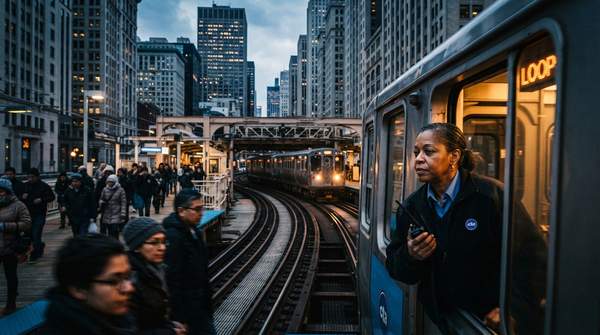
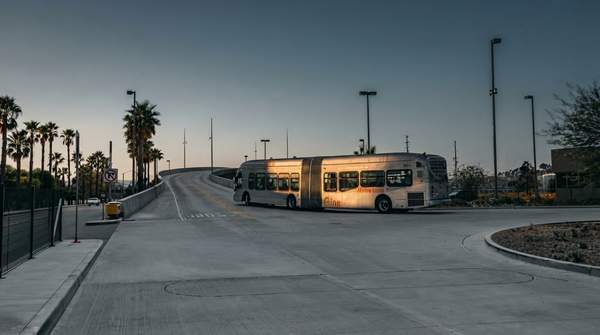
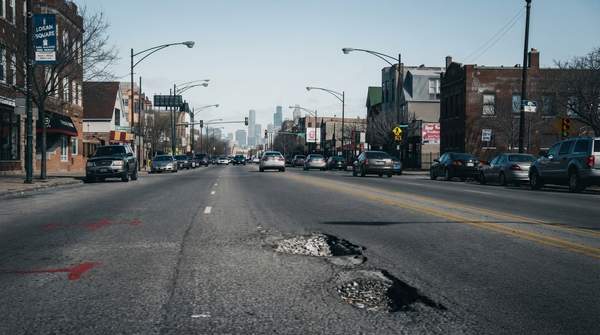
In Cleveland's Detroit-Shoreway neighborhood, a $19.7 million, 65-unit apartment building for lower-income families is moving forward, with 70 percent of its construction costs subsidized by Low-Income Housing Tax Credits, according to NEOtrans. This substantial public investment, sought by Volker Development Inc. directly demonstrates how transit-oriented development can address urban affordability by providing stable housing options for individuals and families who rely on public transit. The project's significant reliance on public subsidies, however, also exposes the substantial financial commitment required to achieve truly affordable housing within TOD frameworks.
While transit-oriented development offers a clear path to sustainable and equitable urban futures, its full potential is often constrained by complex financing and slow policy implementation.
Based on the growing evidence of its environmental, social, and economic benefits, cities that proactively adopt streamlined TOD policies and funding mechanisms are poised to become leaders in resilient urban development.
Global Scale and Proven Success
- 207 kilometers — Delhi's newly notified policy creates urban redevelopment opportunities along this length of metro-linked corridors, according to The Times of India. This policy also identifies an estimated 30–40 square kilometers of immediately developable land for transit-oriented development.
- Over 50% — European cities such as Amsterdam and Copenhagen have achieved this modal share for cycling and public transport for all trips through comprehensive built environment interventions, significantly reducing car dependency, states Nature.
These figures reveal that transit-oriented development is not just a theoretical concept; it is a globally proven strategy. Delhi's proactive policy, creating vast redevelopment opportunities, mirrors the comprehensive urban interventions that have allowed European cities like Amsterdam and Copenhagen to achieve over 50% modal share for active and public transport, fundamentally reshaping urban landscapes and daily commuting habits.
The Core Principles of Transit-Oriented Development
| Principle | Primary Objective | Key Benefit |
|---|---|---|
| Reduced Vehicle Dependence | Encourage active travel and transit use | Lower private car ownership and usage |
| Sustainable Urban Form | Foster compact, mixed-use developments | Mitigate carbon emissions and urban sprawl |
| Enhanced Built Environment | Improve quality and characteristics of urban spaces | Reduce overall urban transportation demand |
These objectives are central to transit-oriented development, according to Nature.
At its heart, transit-oriented development is a holistic approach to urban planning that simultaneously tackles environmental, social, and economic challenges by prioritizing human-centric design and efficient transit. While these principles promise significant benefits, their successful implementation often demands a fundamental shift in traditional planning paradigms, challenging existing infrastructure and land-use regulations.
Policy and Financial Catalysts
In Delhi, a new policy introduces a single composite transit-oriented development charge and a provision for 60-day deemed approvals, according to The Times of India. These measures aim to improve development efficiency and accelerate redevelopment. Such streamlined regulatory frameworks and innovative financing models are not just crucial for overcoming traditional hurdles; they signal a proactive governmental commitment that could set a new standard for urban development speed and effectiveness.
Future Urban Landscapes
Transit-oriented development is poised to reshape urban growth and housing availability.
- Transit-linked redevelopment across central, east, and south Delhi corridors could improve housing supply, strengthen long-term affordability, and reduce pressure on peripheral urban expansion, as noted by The Times of India.
By strategically leveraging transit infrastructure, cities can proactively manage growth, enhance housing stability, and prevent unsustainable sprawl for decades to come. If cities can consistently replicate Delhi's streamlined policy and Cleveland's commitment to affordable housing, transit-oriented development appears poised to redefine urban living, fostering more equitable and sustainable communities for generations to come.