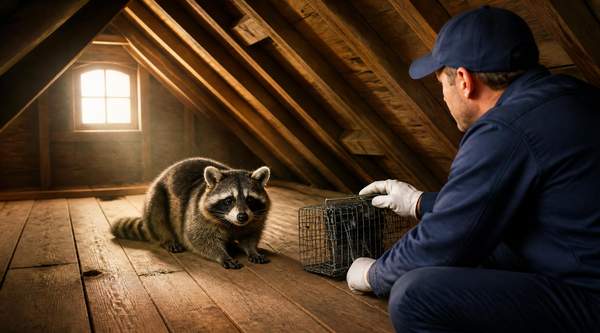
When a homeowner discovers wildlife in the attic, the first priority is usually getting the animal out.
That makes sense. Hearing movement overhead, discovering nesting material or finding evidence of an intruder can be unsettling. But once the wildlife has been removed, another question needs to be answered:
What condition did it leave the attic in?
Wildlife intrusion can affect more than the animal's immediate hiding place. Insulation can be disturbed, structural areas can be damaged, and contaminated materials may require professional attention.
For that reason, wildlife removal and attic restoration often belong in the same conversation.
Ninja Wildlife Control combines wildlife removal and exclusion with attic restoration and damage repair for Houston-area properties. Its stated restoration process addresses issues such as insulation replacement, wiring inspection, structural repair and sanitisation of contaminated materials.
Wildlife Removal Does Not Automatically Repair the Damage
An animal can leave a home without leaving the property exactly as it found it.
Consider an attic that has been accessible to wildlife for an extended period. The animal may have disturbed insulation while creating a nesting area. Materials may have been chewed or displaced. Waste and other contaminants may remain behind.
In some situations, there may also be damage associated with the route the animal used to enter.
Simply removing the animal does not automatically address these conditions.
That is why a complete wildlife-control process should consider what happened before, during and after the intrusion.
Start With a Property Inspection
Before deciding what restoration work is necessary, it is important to understand the extent of the intrusion.
Ninja Wildlife Control's inspection process examines the home's exterior envelope, including the roofline, foundation, soffit and fascia, along with potential entry points. The company states that these areas are documented and photographed during the inspection.
This creates a useful starting point.
If an animal entered through one damaged area, there may be additional vulnerabilities nearby. If insulation has been disturbed, the affected area may need closer assessment. If contamination is present, restoration requirements can be different from those associated with a simple access issue.
A detailed inspection helps separate what needs immediate attention from what does not.
Insulation Can Be Part of the Problem
Attic insulation is designed to contribute to a home's thermal performance, but wildlife activity can disturb it.
Animals moving through an attic may compress, displace or contaminate insulation. Nesting activity can also change the condition of the material around the affected area.
Ninja includes insulation replacement within its stated attic-restoration services.
That does not mean every wildlife intrusion requires complete insulation replacement. The right course depends on the condition of the attic and the extent of the affected area.
The important point is that homeowners should not assume the attic is fully restored simply because the animal is gone.
Damage Can Extend Beyond What You Can See
One of the difficulties with wildlife intrusion is that much of the affected area may be concealed.
An animal may enter through the roofline but move through an attic or wall cavity. Damage may therefore be difficult for a homeowner to assess from the ground or from a quick visual inspection.
Ninja's stated restoration process includes structural repair and wiring inspection as part of addressing damage associated with wildlife intrusion.
This is especially relevant when there are signs of chewing or other physical damage.
The goal is not to assume that every intrusion has caused serious structural or electrical problems. It is to make sure those possibilities are considered when evidence indicates they may be relevant.
Why Sanitisation Matters
Wildlife can leave behind more than physical damage.
Droppings, nesting material and other contaminants may remain after an animal has been removed. The longer an intrusion continues, the more important it becomes to understand what has been left behind.
Ninja describes professional sanitisation of contaminated materials as part of its restoration process.
For homeowners, this reinforces an important distinction: cleaning up after wildlife is not necessarily the same as ordinary household cleaning.
An affected attic may require a more targeted approach based on the type and extent of contamination.
Restoration Should Follow Removal — and Exclusion
There is another important step between removing an animal and completing restoration: making sure the property is protected against another intrusion.
Ninja's four-phase process places inspection first, followed by exclusion, restoration and fortification. The exclusion phase uses species-specific devices and one-way doors designed to allow animals to leave without returning.
That sequence makes practical sense.
There is little value in restoring an attic while leaving the original wildlife entry point open.
Once the animal has been removed and the appropriate exclusion work has been completed, restoration can address the consequences of the intrusion. Fortification then focuses on sealing potential entry points with materials such as galvanized steel, heavy-gauge mesh and commercial-grade sealant.
Signs Your Attic May Need More Than Removal
A homeowner may want to arrange an inspection if wildlife activity has been accompanied by:
- Damaged or displaced insulation
- Nesting material
- Droppings or other contamination
- Chewed wood or building materials
- Damage around vents, soffits or fascia
- Unexplained odors
- Repeated animal activity in the same area
- Visible openings that could allow another animal inside
These signs do not automatically indicate the same level of damage in every home. They do, however, provide reasons to look more closely.
Restoring the Space, Not Just Removing the Animal
A wildlife intrusion can make an attic feel like a problem area long after the animal has disappeared.
The objective of restoration is to address the physical consequences of that intrusion and help return the affected space to a more normal condition.
Ninja Wildlife Control's service model connects removal with exclusion and restoration, rather than treating each as an unrelated task. The company serves Houston and surrounding areas and offers free inspections, along with same-day and emergency service availability.
If wildlife has entered your attic, getting the animal out is an important first step. Checking the structure, addressing any damage and closing the route back in can help complete the job.