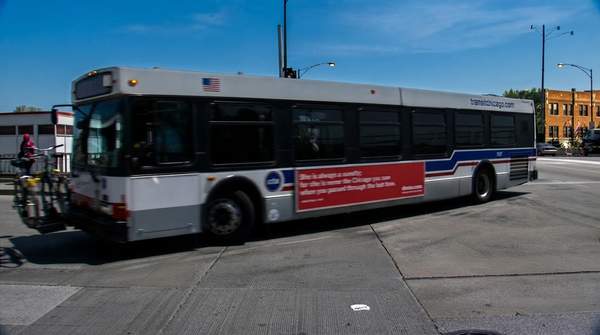
Getting around Chicago with a disability means navigating two distinct public systems: the Chicago Transit Authority's fixed-route buses and 'L' trains, and a separate ADA Paratransit service operated by Pace, the suburban bus agency, and certified through the Northern Illinois Transit Authority. Every CTA bus and railcar is accessible, and 110 of the CTA's 146 rail stations are accessible, according to the agency. Understanding which agency handles what—and how to check real-time service status before you travel—makes the difference between a smooth trip and an unplanned obstacle.
Navigating Chicago's Accessible Public Transit
Chicago's accessible transit network splits along a line that trips up many visitors. The CTA runs the city's buses and 'L' trains, describing accessibility as a core part of its mission to link people, jobs, and communities. Its fixed-route network already meets ADA key station requirements, and the agency says ongoing projects continue expanding accessibility, including maintenance, repair, and upgrades of elevators and escalators systemwide.
Paratransit, however, is not a CTA service. As required by the Americans with Disabilities Act in the CTA service area, paratransit is provided throughout the six-county Northern Illinois Transit Authority region by Pace, the CTA's suburban bus peer agency. This means a rider looking for door-to-door accessible service must deal with Pace and NITA, not the CTA—an important distinction that affects eligibility, booking, and who to call when something goes wrong.
CTA Bus Accessibility: Features and Usage
Bus riders have the simplest situation in the system: the CTA reports that all of its bus routes use accessible buses. There is no need to check whether a particular route runs accessible vehicles, because every one does.
Each bus is equipped with a lift or ramp, and the CTA makes these available upon request to anyone who has trouble with steps—even if the difficulty is temporary, such as an injury. To use one, a rider simply requests it from the bus operator at boarding. No advance arrangement or certification is needed. For schedules, maps, and route details, the CTA directs riders to its System & Route Guides.
CTA 'L' Train Accessibility: Stations, Cars, and Real-time Status
The 'L' system requires more advance planning than the bus network. All CTA trains have accessible features, including designated locations inside cars where a wheelchair can be secured. But station accessibility is uneven: 110 of the CTA's 146 rail stations are accessible. The CTA publishes a list of which stations qualify, so riders using wheelchairs or who cannot manage stairs should confirm their origin and destination stations are both on it before committing to a rail trip.
Because an elevator outage can make an otherwise-accessible station unusable, checking real-time status matters. The CTA lets riders sign up to receive alerts about planned work affecting service and elevator outages by text or email. Riders can also reach the agency at 1-888-YOUR-CTA (1-888-968-7282), by email, or through the chatbot available on CTA webpages via computer, tablet, or phone. Checking these alerts before heading to a station can prevent a mid-trip discovery that the only elevator is out of service.
The CTA also states that it makes reasonable modifications to its policies, practices, and procedures to avoid disability discrimination, subject to certain limitations—meaning riders with specific needs beyond the standard equipment can request accommodations directly.
ADA Paratransit Services: Eligibility and Access
ADA Paratransit exists for riders whose disability or health condition prevents them from using CTA and/or Pace fixed-route services for some or all of their travel. It is a distinct, reservation-based complement to fixed-route transit, not a separate arm of the CTA.
Eligibility is the gatekeeper: only persons certified by the Northern Illinois Transit Authority may ride ADA Paratransit. The certification program is administered by NITA, and applicants with questions about the process—or about appealing a determination—can call NITA's ADA Paratransit Certification program at 312-663-HELP (4357).
Visitors do not need to start from zero, but they do need to make contact in advance. If you are traveling to the NITA region and need ADA paratransit service during your visit, NITA instructs you to contact Pace Customer Service at (312) 341-8000 and provide the dates of your visit. That call is the practical first step for out-of-town riders.
Chicago Public Transit Accessibility at a Glance
The table below consolidates the three transit modes side by side, categorizing each system's accessibility features, how riders use them or check their status, and which agency governs each. Use it to match your travel needs to the right service before you plan a trip.
| Transit Mode | Key Accessibility Features | How to Check Status / Use | Governing Body |
|---|---|---|---|
| CTA Bus | All buses are equipped with lifts and ramps | Request lift or ramp from the bus operator at boarding; available upon request, including for temporary step difficulties | Chicago Transit Authority (CTA) |
| CTA 'L' Train | All train cars are accessible, including wheelchair securement locations; 110 of 146 rail stations are accessible | Confirm your stations appear on the CTA's accessible-station list; sign up for elevator outage and planned-work alerts by text or email | Chicago Transit Authority (CTA) |
| ADA Paratransit | Service for riders whose disability or health condition prevents use of fixed-route CTA/Pace service for some or all travel | Certification required from NITA; visitors contact Pace Customer Service at (312) 341-8000 with visit dates | Pace, operating throughout the six-county NITA region |
Read across the rows and the key distinction emerges: CTA fixed-route services are open to everyone and use their access equipment on demand, while paratransit is a certified, eligibility-based service run by a different agency entirely. A rider who needs the second system cannot get it by asking the first.
Making Your Trip Accessible: Key Takeaways
To effectively utilize Chicago's public transportation, first identify whether your needs are met by CTA's fixed-route services or Pace's ADA Paratransit, then proactively check real-time status updates for CTA services before you travel. For most riders, that means confirming that every station on your 'L' route is on the accessible list and that no elevator outages affect your trip; for those who cannot use fixed-route service, it means contacting Pace about certification or, for visitors, calling Pace Customer Service at (312) 341-8000 with your travel dates. Success is measurable: a completed trip confirmed by checking CTA's official alert systems for elevator status and planned work, or by securing paratransit arrangements through Pace. This guide covers CTA and the regional ADA Paratransit system; it does not include Metra commuter rail or private services such as taxis and rideshares.