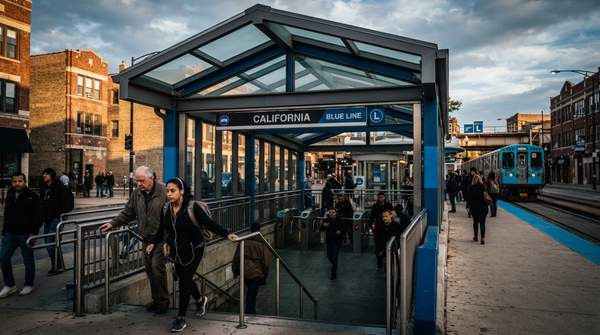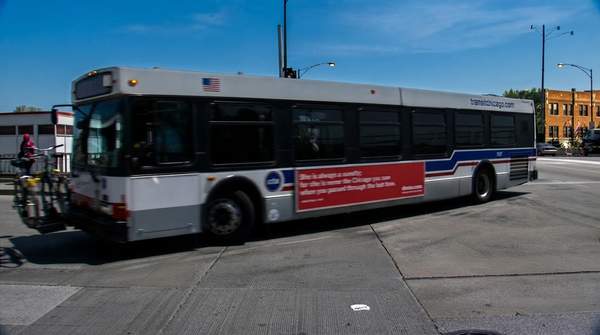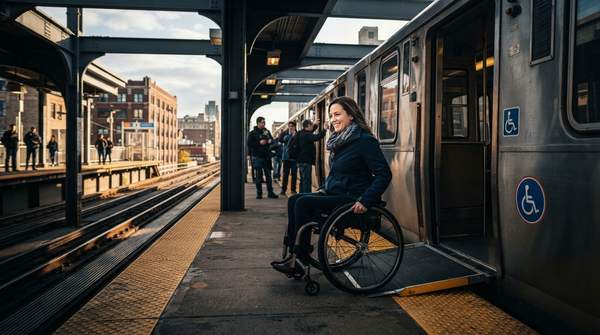
Chicago's transit system is built around four accessibility pillars: boarding ramps and lifts, accessible rail stations, audio and tactile information, and wheelchair securement areas. According to the Chicago Transit Authority, 100% of its vehicles—both buses and railcars—are accessible, and 110 of its 146 rail stations are accessible. This guide breaks down how each feature works, who it serves, and how to reach the Pace-operated paratransit and RTA fare programs that extend accessibility beyond the fixed-route system.
Navigating Chicago Transit: Accessibility Features for All Riders
The CTA describes accessible transit as "an important part" of its mission to link people, jobs, and communities. The agency reports that it has met ADA key station requirements, and ongoing projects continue expanding accessibility while elevators and escalators are maintained, repaired, and upgraded systemwide. Regional coordination matters here: the Regional Transportation Authority notes that CTA, Metra, Pace, and the RTA are continuously working to make the regional system more accessible, and riders with disabilities are encouraged to explore the RTA's Travel Assistance Digital Library for additional resources.
One distinction is essential for trip planning. Every CTA vehicle is accessible, but not every rail station is—36 of 146 stations are not yet accessible. A rider using a wheelchair can board any bus, but should confirm that both their origin and destination rail stations are on the accessible list before committing to a train trip. This article focuses on CTA and the related Pace and RTA services; it does not comprehensively cover Metra, and it does not track real-time elevator outages or sidewalk conditions at stops.