
All Stories

Chicago Transit Accessibility: The Four Features That Matter Most for Riders With Disabilities
Chicago Transit Authority (CTA) prioritizes accessibility with four key features: boarding ramps/lifts, accessible rail stations, audio/tactile information, and wheelchair securement. The article also guides riders on navigating these features and accessing related fare and paratransit programs.
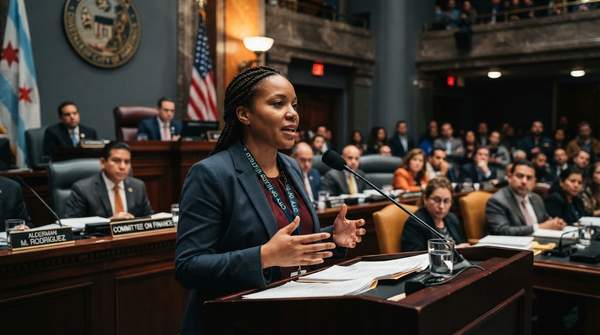
Chicago's Budget Cycle: The Timeline and Deadlines Residents Need to Know
Chicago's annual budget process follows a state-mandated timeline from spring planning to a January 1 adoption, with specific windows for resident input. Understanding these stages and deadlines is key for citizens to effectively engage and influence local tax dollar allocation.
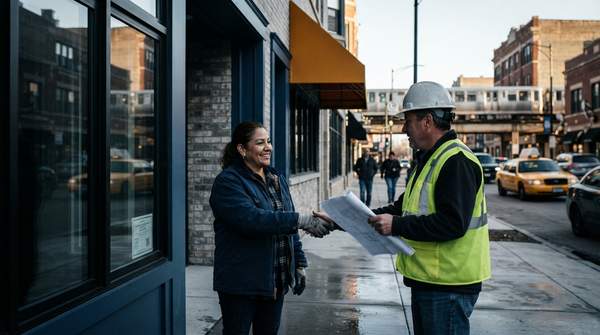
Chicago SBIF Grants: Who Qualifies, What Gets Funded, and How to Check Before You Apply
Chicago's Small Business Improvement Fund (SBIF) offers reimbursement for permanent building upgrades to commercial and industrial property owners. This guide details eligibility, qualifying project costs, grant amounts, and the application process to help businesses determine their readiness.

Pilsen, Rogers Park and the Loop: Choosing Your Chicago Street Art Walk, and Planning It with the City's Mural Registry
Explore Chicago's vibrant street art scene by choosing between the culturally rich Pilsen, the extensive Mile of Murals in Rogers Park, or the Loop's dynamic works. Utilize the city's official Mural Registry to easily plan your self-guided art walk.

5 Next-Wave Artisan Coffee Roasters for 2026
The daily coffee ritual is evolving. Gone are the days of settling for a generic, mass-produced brew. Today, coffee lovers are seeking out unique flavors and high-quality beans, driving a surge in specialty coffee's popu…

Chicago's NBDCs: Free Business Help, Matched to Your Neighborhood, Stage and Language
Chicago entrepreneurs can access free, personalized business support through the city's Neighborhood Business Development Centers (NBDCs). This guide helps you navigate the network to find the NBDC best suited to your business needs, location, language, and stage of development.

Three Kinds of Community-Focused Indie Bookstores in Chicago—and How to Pick the One for You
Discover three distinct types of community-focused independent bookstores in Chicago: those specializing in local history, those featuring local authors, and those serving as community hubs for specific audiences. This guide helps you choose your next literary visit based on your interests.

Cafe or Tavern? Picking the Right Chicago Bar for Your Board Game Night
Chicago offers two main types of venues for board game nights: dedicated cafes with extensive libraries and fees, or traditional taverns where games are a free amenity. Understanding the differences in game selection, cost, and atmosphere will help you choose the perfect spot for your group.

How to Track Chicago City Council Committees and Speak Before They Decide
Chicago City Council committees are where real legislative debate and decisions happen, often before ordinances reach the full council. This guide explains how residents can track committee agendas, understand public testimony rules, and effectively voice their opinions before votes.
5 Ways Parcel International Makes Global Freight Management Easier for E-Commerce Merchants
For e-commerce merchants, the global marketplace offers immense opportunity, but it also presents significant logistical challenges. The growth in cross-border e-commerce is undeniable; according to Mordor Intelligence, …

How to Research the History of Your Chicago Home: A Step-by-Step Guide to Deeds, Maps, and Archives
Discover how to research your Chicago home's history by tracing ownership through deeds and uncovering the building's physical story with permits and maps. This guide outlines essential steps, documents, and Chicago institutions for your property research.

Chicago's Split System: How the City Plans Big Infrastructure While Aldermen Fund the Streets Outside Your Door
Chicago funds infrastructure through two distinct channels: the city-wide Capital Improvement Program (CIP) and the ward-level Aldermanic Menu. The article examines criticisms of the CIP's lack of transparency and needs-based evaluation, contrasting it with the localized Aldermanic Menu.

Gross, Single Net, Double Net, or Triple Net: How Chicago Business Owners Can Tell Who Pays What in a Commercial Lease
Commercial leases allocate property expenses like taxes, insurance, and maintenance differently, impacting tenant costs and administrative burden. Understanding the distinctions between Gross, Single Net (N), Double Net (NN), and Triple Net (NNN) leases is crucial for business owners to determine financial responsibilities before signing.

How Chicago Public Schools Now Allocates Money to Schools: A Needs-Based Model, Not Per-Student Funding
Chicago Public Schools has transitioned from a per-student funding model to a needs-based system for the 2024-25 school year. This new approach prioritizes equity by guaranteeing a foundational level of resources for all schools before considering enrollment and other student needs.

Elevate CFO Models How Today’s Decisions Reshape a Five-Year Financial Plan
Elevate CFO's models demonstrate how current business decisions significantly reshape a five-year financial plan, moving beyond static projections to dynamic, driver-based planning. This approach connects operating assumptions to future financial outcomes, ensuring long-range plans remain relevant and useful.

Four Chicago Breweries, Four Very Different Kinds of Unusual
Explore four distinct Chicago breweries offering unique craft beer experiences beyond the standard taproom, from incubators for emerging brands to culinary delights and traditional processes.

Getting Public Health Services in Chicago: City Clinics, Safety Net Partners, and First Steps for a Child in Crisis
Chicago residents can access public health services through either city-run CDPH clinics or a network of community-based safety net partners. The article outlines how to choose the right pathway based on need, including specific steps for children in mental health crisis.

Which Chicago Business License Do You Need? A Diagnostic Approach to City Licensing
This guide explains how to determine the correct Chicago business license by diagnosing your business activities and location. It covers identifying necessary supplementary permits and avoiding common application pitfalls.

Pace Proposes 50% More Suburban Bus Service, With Doubled Saturdays, Tripled Sundays and 15-Minute Frequencies on Key Routes
Pace has unveiled a draft ReVision plan aiming to boost suburban bus service by 50% across its six-county region, featuring doubled Saturdays, tripled Sundays, 15-minute frequencies on major routes, and new airport connections, currently open for public feedback.

Medical Practice Accounting at Kevin J McHugh CPA PLLC Keeps the Business Side in View
For medical professionals focused on patient outcomes, managing the intricate financial health of a practice can be a significant challenge. Kevin J McHugh CPA PLLC , a full-service tax, accounting, and business consulti…

Who Decides What Gets Built in Chicago: A Resident's Map to the Development Process
Understand Chicago's development process to effectively influence what gets built in your neighborhood. Early engagement through informal channels and direct contact with your alderman is key to maximizing resident impact.

How Chicago Residents Can Use City Open Data to Plan for Their Neighborhoods
Chicago residents can leverage the city's open data portal to gather facts and evidence for neighborhood planning and advocacy. The guide explains how to navigate the portal, map concerns to datasets, and understand geographic data structures for effective community action.
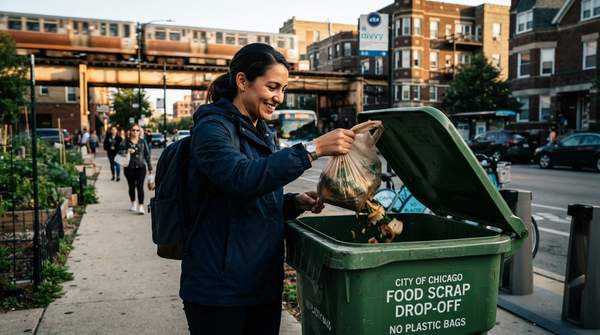
How to Start Composting in Chicago: A Step-by-Step Guide to the City's Free Food Scrap Drop-Off Program
Chicago offers a free Food Scrap Drop-Off Program for residents to compost food waste. Learn the simple three-step process: sign up, collect scraps at home, and drop them off at a designated city location.

Understanding Chicago's Independent Farmers' Markets: A Decentralized System for Shoppers and Vendors
Chicago's farmers' markets operate as a decentralized system, managed by independent organizations rather than the city, which impacts how shoppers and vendors interact with each market.